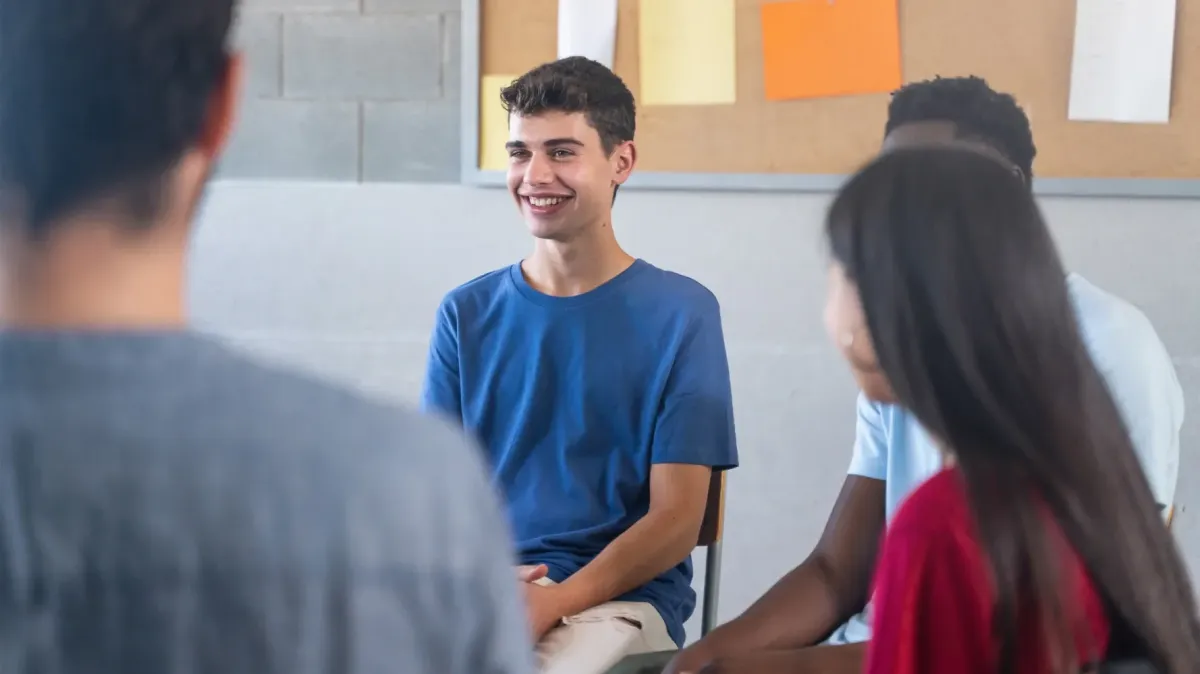
Why Some Students Stop Listening Before a Speaker Even Starts Talking
The room isn't even quiet yet.
Students are still finding their seats. Conversations echo across the auditorium. A few teachers are reminding students to put their phones away.
Then something happens that many adults don't notice.
A handful of students have already decided they aren't going to listen.
Not because they dislike school.
Not because they're trying to be disrespectful.
And not because they don't care.
They've simply convinced themselves that whatever they're about to hear isn't meant for them.
It's a quiet decision.
Almost invisible.
But once it's made, earning their attention becomes much more difficult.
For educators, this can feel frustrating. Every assembly is planned with good intentions. Schools invest time, resources, and energy into creating meaningful experiences for students. Yet despite those efforts, some students remain emotionally checked out before the speaker has even said their first sentence.
The question isn't why students don't hear the message.
The real question is why they stopped expecting the message to matter.
Students Are Constantly Deciding Who Feels Authentic
Teenagers have an extraordinary ability to read people.
They notice body language.
Tone.
Confidence.
Authenticity.
Within minutes sometimes seconds they begin forming opinions about whether someone understands them or is simply talking at them.
Adults often underestimate this.
They assume engagement depends on having an exciting presentation or an entertaining story.
Those things certainly help.
But students are asking a different question.
"Does this person actually understand what my life feels like?"
If the answer feels like "no," attention begins to drift.
Not because the student is incapable of listening.
Because they've decided the conversation isn't relevant to their experience.
Attention Is Earned Long Before Inspiration Happens
Many people think motivation begins with powerful words.
In reality, it usually begins with trust.
Students pay attention when they believe the speaker has earned the right to speak into their lives.
That doesn't happen through impressive credentials alone.
It happens through honesty.
When young people hear someone acknowledge failure instead of pretending to be perfect, barriers begin to come down.
When they hear stories that reflect real struggles instead of carefully polished success, they become curious.
They stop wondering whether the speaker understands them.
They start wondering what comes next.
That shift changes everything.
The Students Who Look Disengaged Often Need the Message Most
Every educator knows the student.
Arms crossed.
Head down.
Little eye contact.
Minimal participation.
From a distance, it can look like indifference.
But appearances can be misleading.
Sometimes that student has learned to expect disappointment.
Maybe adults have underestimated them.
Maybe school has become a place where they feel judged instead of understood.
Maybe they've convinced themselves that leadership, confidence, and success belong to someone else.
When that happens, disengagement becomes a form of protection.
It's easier not to care than to hope for something that feels out of reach.
That's why the students who appear least interested are often the ones listening most carefully if someone can first earn their trust.
Young People Don't Need Perfect Role Models
Adults often feel pressure to present themselves as flawless examples.
Students rarely expect perfection.
What they value is honesty.
They respect people who admit mistakes.
Who talk openly about setbacks.
Who explain what they learned rather than pretending failure never happened.
Authenticity creates connection.
Perfection creates distance.
The most memorable conversations with students usually begin when they realize the person standing on stage has faced uncertainty, rejection, fear, or failure too.
Because suddenly the message becomes believable.
Why Storytelling Reaches Students Differently
Facts inform.
Stories stay.
Ask someone to remember statistics from a presentation six months later, and they'll probably struggle.
Ask them about a story that made them rethink how they see themselves, and they'll often remember every detail.
Stories create emotion.
Emotion creates memory.
That's one reason meaningful storytelling remains one of the most effective ways to connect with young people.
Not because stories entertain.
Because they help students imagine themselves inside the lesson.
Instead of simply hearing advice, they begin experiencing it.
Engagement Doesn't End When the Presentation Does
One common misunderstanding is that success should be measured by applause.
Did students laugh?
Did they cheer?
Did they enjoy themselves?
Those moments matter.
But they don't tell the whole story.
Sometimes the most important impact happens after students return to class.
When they continue discussing an idea.
When they ask a teacher a question they never would have asked before.
When they begin thinking differently about themselves.
Real engagement doesn't always happen during the presentation.
Sometimes it begins afterward.
Why Connection Matters More Than Performance
There are many talented speakers.
Some are funny.
Some are energetic.
Some deliver polished presentations.
But students rarely remember presentations because they were entertaining.
They remember presentations because they felt understood.
That's a very different goal.
Connection isn't about performing.
It's about creating a space where students believe someone genuinely sees them, respects them, and believes they're capable of becoming more than they currently imagine.
That's where meaningful influence begins.
Why Schools Choose Tony Pinedo
What separates Tony Pinedo isn't simply his ability to engage an audience.
It's his ability to connect with students who often believe no one understands them.
Drawing from years of experience in developmental psychology, youth leadership, and working with young people facing significant life challenges, Tony creates conversations that feel authentic rather than rehearsed.
Students don't feel like they're being lectured.
They feel like they're being invited into an honest discussion about choices, resilience, leadership, and personal growth.
That authenticity is what keeps students listening long after the opening moments of a presentation.
Final Thoughts
When students stop listening before a speaker even begins, it usually isn't because they've rejected the message.
It's because they've stopped expecting adults to understand their world.
Changing that expectation requires more than a powerful presentation.
It requires authenticity.
Honesty.
Stories rooted in real experience.
And a willingness to meet students where they are rather than where adults wish they were.
When young people feel seen, they become more willing to listen.
When they listen, they're more willing to reflect.
And when they begin reflecting, lasting growth becomes possible.
Sometimes the first step toward changing a student's future isn't finding better words.
It's earning the chance to be heard.
Frequently Asked Questions
Why do some students disengage during school assemblies?
Students may disengage if they don't believe the message relates to their experiences or if they feel disconnected from the speaker. Authenticity and trust are often key to capturing their attention.
How can schools improve student engagement during presentations?
Schools can increase engagement by choosing speakers who combine relatable stories, real-life experience, and meaningful conversations rather than relying solely on motivational messages.
Why is storytelling effective for students?
Stories help students connect emotionally with ideas, making lessons more memorable and easier to apply to their own lives.
Do students respond better to authentic speakers?
Yes. Young people often recognize honesty quickly and are more likely to engage with speakers who openly discuss challenges, setbacks, and personal growth.
What makes a youth speaker memorable?
Students tend to remember speakers who help them feel understood rather than simply entertained. Genuine connection often leaves a longer-lasting impact than performance alone.
Why do schools invite Tony Pinedo?
Tony Pinedo combines expertise in developmental psychology with real-world experience to create authentic conversations that help students build confidence, resilience, leadership, and stronger decision-making skills.