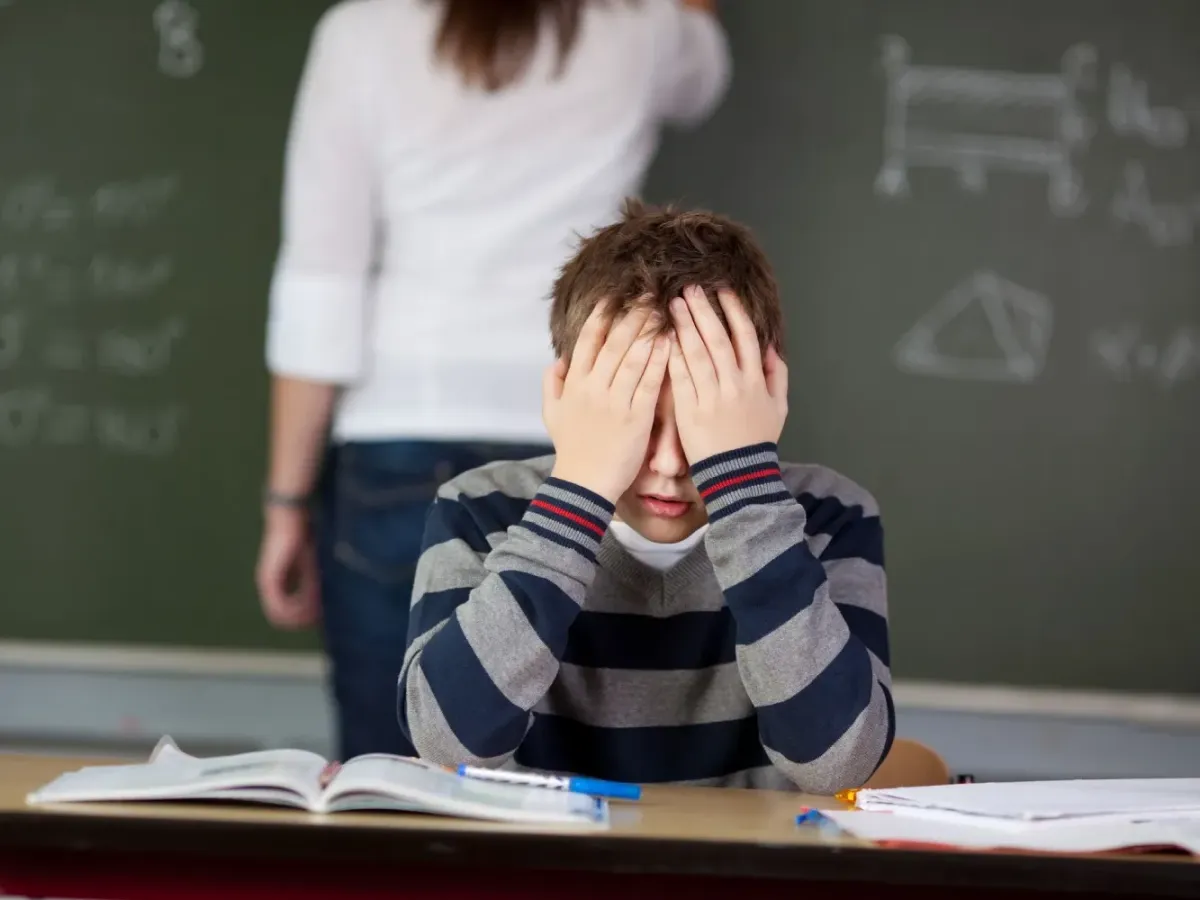
Why Smart Teenagers Still Make Bad Decisions (And What Schools Often Miss)
Every educator has experienced it.
A student who consistently earns good grades suddenly gets caught cheating.
A talented athlete makes one impulsive decision that jeopardizes an entire season.
A well-respected student becomes involved in a conflict that leaves everyone asking the same question:
"Why would they do that?"
It's one of the most frustrating realities in education.
We often assume that intelligence naturally leads to good decision-making. If a student understands the consequences, surely they'll make the right choice.
But that's not how adolescence works.
Some of the brightest young people make decisions that leave teachers, parents, and even their closest friends completely surprised.
The issue isn't always a lack of intelligence.
More often, it's a lack of experience, emotional regulation, and decision-making under pressure.
Understanding that difference changes the conversation from punishment to prevention.
Knowing Better Isn't the Same as Doing Better
Adults often forget what it felt like to be a teenager.
At that stage of life, emotions tend to arrive faster than logic.
Peer approval feels incredibly important.
Short-term rewards often outweigh long-term consequences.
The desire to belong can become stronger than the desire to make the right choice.
A teenager may know that vaping on school grounds is against the rules.
They may understand that cheating on an exam could lead to disciplinary action.
They may even agree that those choices are wrong.
Yet in the moment, surrounded by friends or influenced by emotion, that knowledge can quickly lose its influence.
That's because decision-making isn't driven by information alone.
It's shaped by emotion, environment, relationships, and perceived pressure.
Schools Teach Information. Life Requires Judgment.
Education has always done an incredible job of teaching knowledge.
Students learn mathematics, science, literature, and history.
They memorize formulas, analyze texts, and solve complex problems.
But life asks different questions.
How do you respond when someone pressures you to fit in?
How do you handle rejection?
What happens when you're embarrassed in front of your classmates?
How do you recover after making a mistake?
Those questions rarely have multiple-choice answers.
They require judgment.
And judgment isn't developed through worksheets.
It's developed through conversation, reflection, mentorship, and real-world experiences.
The Pressure Students Don't Always Talk About
Adults often underestimate how much pressure young people carry every day.
Academic expectations.
Social media.
Family responsibilities.
Friendship conflicts.
Athletic performance.
College applications.
Identity.
For many students, those pressures overlap in ways adults never see.
A decision that looks irrational from the outside may feel completely reasonable in the moment because of the emotional weight the student is carrying.
That's why simply asking, "What were you thinking?" often misses the point.
Sometimes they weren't.
Sometimes they were reacting.
Helping students recognize that difference is one of the most valuable life skills schools can teach.
Punishment Can Stop a Behavior. It Doesn't Always Change a Mindset.
Consequences have their place.
Schools need accountability.
Rules matter.
But if the only lesson students learn is "Don't get caught," the deeper issue remains untouched.
Real growth happens when students begin asking themselves different questions.
Instead of:
"Will I get in trouble?"
They begin asking:
"Is this consistent with the person I want to become?"
That shift doesn't happen because of detention.
It happens because someone helped them connect their choices to their values.
Decision-Making Is a Skill
We often talk about leadership as though it's something students either have or don't have.
In reality, leadership is built on dozens of smaller skills.
Self-awareness.
Communication.
Responsibility.
Empathy.
Decision-making.
Like any skill, decision-making improves with practice.
Students need opportunities to discuss real situations before they face them.
They need safe environments where mistakes become learning experiences instead of permanent labels.
The goal isn't creating students who never fail.
It's helping them recover, reflect, and make stronger choices the next time.
Why Authentic Conversations Matter More Than Lectures
Teenagers are remarkably good at recognizing when someone is speaking at them instead of with them.
They've heard the generic speeches.
They know when someone is simply repeating rules.
What they respond to are authentic conversations.
Stories.
Real experiences.
Honest discussions about failure, resilience, and growth.
When students hear from someone who understands the challenges they're facing not just academically but emotionally they become more willing to engage.
That's when meaningful learning begins.
Building Schools Where Good Decisions Become the Culture
Changing student behavior isn't about finding the perfect assembly or delivering one unforgettable speech.
It's about creating an environment where positive choices become part of everyday school culture.
That means teachers who model integrity.
Administrators who prioritize relationships.
Counselors who create safe spaces for honest conversations.
Parents who reinforce those lessons at home.
And leaders who remind students that every decision, no matter how small, contributes to the person they're becoming.
Culture isn't built during one event.
It's built through consistency.
Why Tony Pinedo Brings a Different Perspective
What makes student leadership meaningful isn't simply motivating young people for an hour.
It's helping them understand themselves.
With a background in developmental psychology and years of experience working with youth in schools, communities, and correctional settings, Tony Pinedo understands that behavior is rarely as simple as it appears.
His presentations move beyond slogans and surface-level motivation.
Instead, they challenge students to think critically about their choices, recognize the pressures influencing their decisions, and develop the confidence to lead with character rather than impulse.
For educators, that's often the difference between a memorable presentation and one that creates lasting impact.
Final Thoughts
Smart teenagers don't always make smart decisions.
Not because they lack intelligence.
Because they're still learning how to navigate emotions, relationships, pressure, and responsibility.
When schools focus only on correcting behavior, they often miss the opportunity to teach judgment.
When they invest in conversations about leadership, resilience, and personal responsibility, students begin developing skills that extend far beyond the classroom.
Education has always been about preparing young people for the future.
Helping them make better decisions may be one of the most important lessons they'll ever learn.
Frequently Asked Questions
Why do intelligent students sometimes make poor decisions?
Academic ability and decision-making are different skills. Teenagers often face emotional and social pressures that influence their choices, even when they understand the consequences.
Can decision-making be taught?
Yes. Like communication or leadership, decision-making improves through reflection, discussion, mentorship, and real-life learning experiences.
Why isn't punishment always enough?
Consequences can stop unwanted behavior, but lasting change usually happens when students understand why their choices matter and how they align with their personal values.
How can schools help students make better decisions?
Schools can encourage critical thinking, emotional awareness, leadership development, and authentic conversations that prepare students for real-life challenges.
Why are motivational speakers effective for students?
When presentations are grounded in real experience and meaningful dialogue, students often connect more deeply than they do with traditional lectures or rule-based discussions.
Who is Tony Pinedo?
Tony Pinedo is a nationally recognized youth speaker, leadership educator, and developmental psychology professional who helps schools empower students through authentic conversations about leadership, resilience, responsibility, and personal growth.