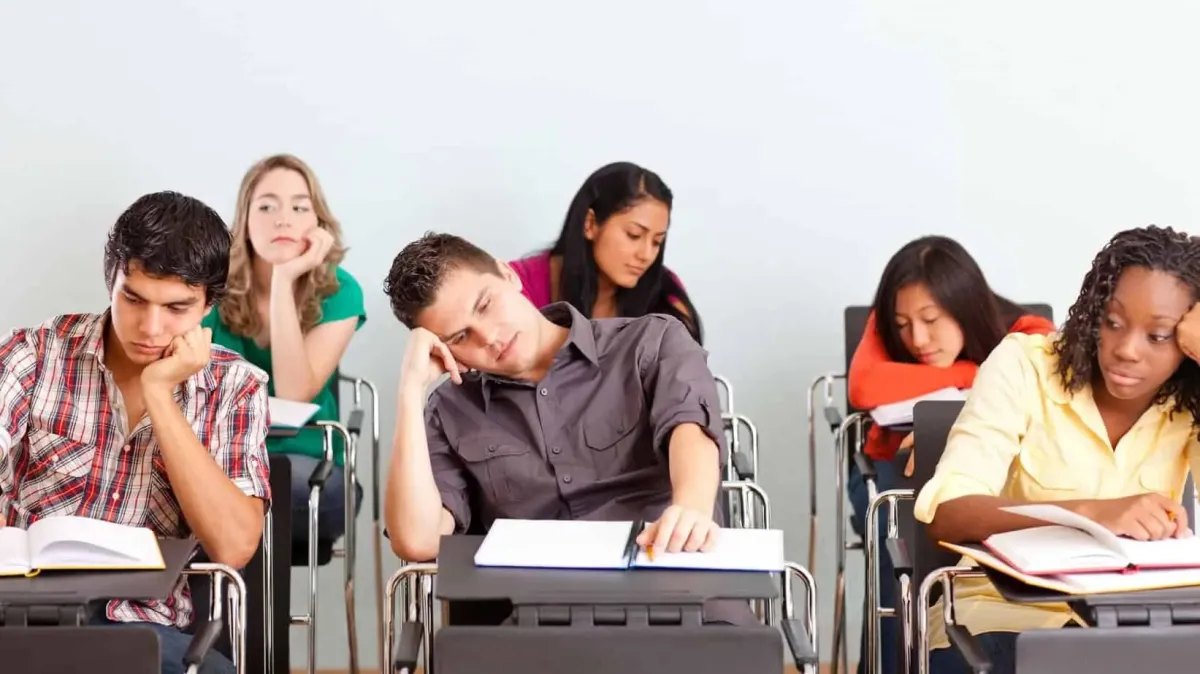
Student Behavior Problems in Schools (Causes, Challenges, and Solutions That Actually Work)
Student behavior problems are one of the most talked-about challenges in schools today—and also one of the most misunderstood.
On the surface, it looks simple:
A student disrupts class → they get disciplined → problem solved.
But in reality, it’s rarely that straightforward.
Because behavior is usually not the problem itself.
It’s a signal.
And if schools only respond to the behavior without understanding what’s behind it, the same issues keep coming back.
What Are Student Behavior Problems Really About?
Behavior problems can show up in different ways:
Talking back to teachers
Disrupting lessons
Refusing to complete work
Being aggressive toward peers
Completely disengaging from class
These actions are easy to see.
What’s harder to see is what’s causing them.
The Hidden Reasons Behind Behavior
Most behavior issues come from underlying factors like:
Academic frustration (students don’t understand the material)
Lack of confidence
Feeling ignored or disconnected
Personal issues outside school
Emotional stress or anxiety
When students don’t have the tools to express these struggles, behavior becomes their way of communicating.
And that’s where schools need to shift perspective.
Why Traditional Discipline Isn’t Enough
Detention, suspension, warnings—these methods can control behavior temporarily.
But they don’t fix the root cause.
In fact, overusing punishment can:
Increase resistance
Damage relationships
Make students feel targeted
And when students feel targeted, they’re less likely to improve.
That’s why discipline should be part of the solution—not the entire strategy.
The Importance of Consistency
One of the biggest frustrations for students is inconsistency.
If rules are applied differently depending on:
The teacher
The situation
The student
…it creates confusion and frustration.
Clear, consistent expectations help students understand boundaries.
And when expectations are clear, behavior improves.
Building Relationships That Influence Behavior
This is where real change begins.
Students are more likely to behave positively when they:
Feel respected
Feel understood
Feel like someone actually cares
Even small actions—like acknowledging effort or checking in—can shift how students respond in class.
Because behavior is often tied to how students feel in that environment.
Teaching Behavior Instead of Just Correcting It
Here’s something schools don’t always focus on enough:
Students aren’t automatically equipped with emotional and social skills.
They need to learn:
How to handle frustration
How to communicate properly
How to resolve conflicts
When these skills are taught, behavior improves naturally.
Because students now have better ways to respond.
Reinforcing Positive Behavior
Recognition plays a big role.
When schools highlight:
Effort
Improvement
Positive choices
…it encourages repetition of those behaviors.
This doesn’t mean ignoring negative behavior—it means balancing correction with reinforcement.
Why Some Students Tune Out Completely
There’s another layer to consider.
Some students have heard the same messages repeatedly:
“Focus in class”
“Respect others”
“Do your work”
Over time, these messages lose impact.
Students stop listening—not because they don’t care, but because nothing feels different.
The Role of a Different Perspective
This is where bringing in an outside voice can help.
Someone who:
Speaks differently
Shares real experiences
Connects on a personal level
Speakers like Tony Pinedo often provide that shift.
With a focus on youth behavior, mindset, and real-life challenges, the message becomes more relatable.
Students are more likely to engage when they feel understood rather than instructed.
And sometimes, that’s enough to break through resistance.
Creating a System That Supports Change
Behavior improvement isn’t about one strategy—it’s about a system.
Effective schools combine:
Clear expectations
Strong relationships
Emotional skill development
Consistent support
When these elements work together, behavior starts to improve over time.
Final Thought
Student behavior problems aren’t just discipline issues—they’re communication signals.
When schools move from reacting to behavior to understanding it, everything changes.
Because once the root cause is addressed, the behavior often follows.
And that’s when real, lasting improvement begins.