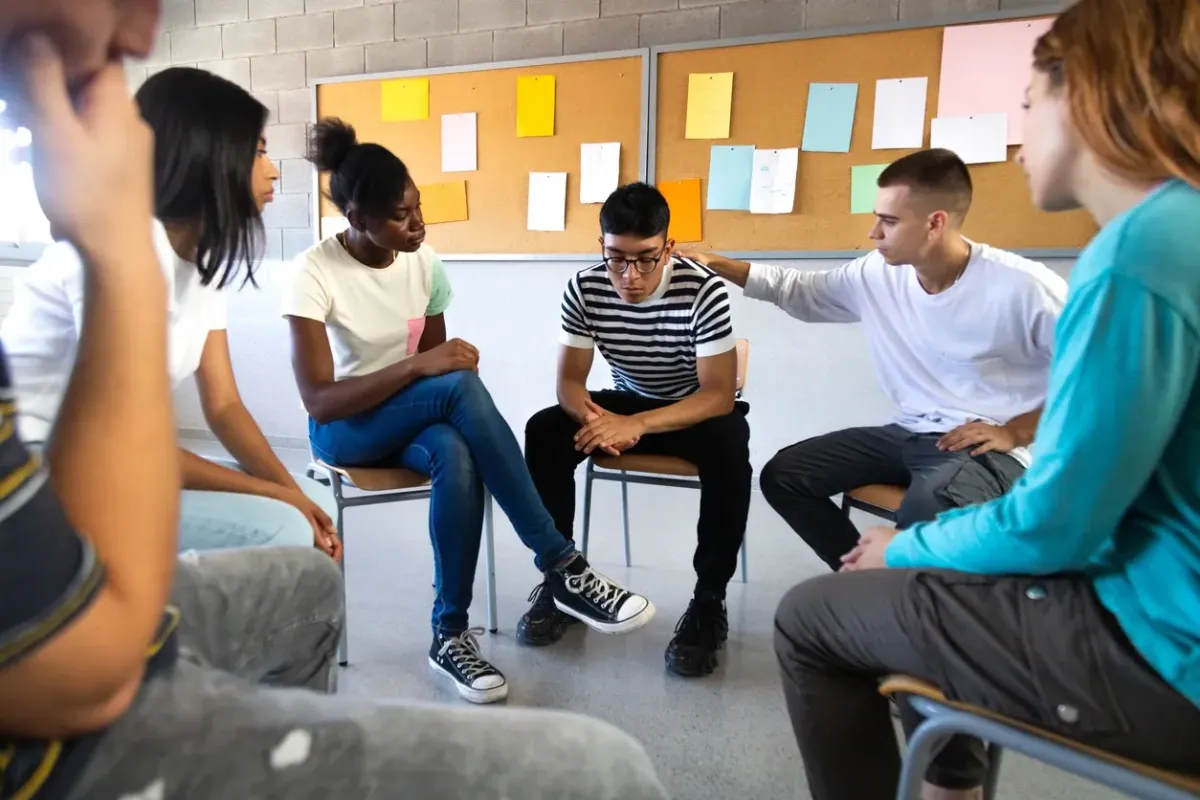
How to Deal with Troubled Youth in Schools (A Practical Approach That Actually Works)
Dealing with troubled youth in schools is one of the biggest challenges educators face today. And if we’re being honest, most traditional approaches aren’t working the way they used to.
Suspensions go up. Warnings get ignored. Behavior keeps repeating.
So the real question becomes:
Are schools actually solving the problem—or just reacting to it?
Because troubled behavior is rarely the real issue. It’s usually a symptom of something deeper.
Understanding What “Troubled Youth” Really Means
The term gets used a lot, but it often oversimplifies things.
A “troubled” student might be:
·Constantly disruptive in class
·Showing aggression toward peers or teachers
·Completely disengaged from learning
·Skipping school or avoiding responsibilities
But labeling them as “troubled” doesn’t explain why they’re acting this way.
And that’s where most systems fall short.
The Root Causes Behind the Behavior
When you look closely, behavior patterns usually connect to underlying issues like:
·Lack of stability at home
·Emotional stress or unresolved trauma
·Academic struggles leading to frustration
·Feeling disconnected or ignored in school
·Low self-worth or identity confusion
Students often don’t have the tools to express these things directly. So it comes out through behavior.
And if schools only respond with discipline, they’re missing the actual problem.
Why Punishment Alone Fails
Discipline has its place. But when it becomes the primary strategy, it stops being effective.
Here’s what tends to happen:
·Students feel targeted instead of supported
·Trust between student and teacher breaks down
·Behavior becomes more resistant over time
In many cases, punishment reinforces the very behavior schools are trying to fix.
That’s why a shift in approach is necessary.
Building Trust Before Expecting Change
You can’t correct behavior effectively without some level of trust.
And for many troubled students, trust doesn’t come easily.
They may already believe:
·“Teachers don’t understand me”
·“No one actually cares”
·“I’m already seen as the problem anyway”
Breaking that mindset takes time.
It starts with:
·Consistent communication
·Listening without immediate judgment
·Showing fairness in how rules are applied
When students feel respected, they’re more open to change.
Structure Still Matters—But It Needs Balance
Some schools swing too far in one direction—either too strict or too lenient.
The reality is, students need both:
·Clear expectations
·Consistent consequences
·A sense of fairness
But they also need:
·Flexibility
·Understanding
·Space to improve
It’s not about removing discipline. It’s about using it effectively.
Teaching Emotional Skills (Instead of Assuming Them)
Here’s something often overlooked:
Many students simply haven’t learned how to manage emotions.
They don’t know:
·How to respond when they’re frustrated
·How to deal with anger
·How to communicate properly in stressful situations
So instead of only correcting behavior, schools should focus on teaching:
·Emotional regulation
·Conflict resolution
·Communication skills
These are long-term solutions—not quick fixes.
The Importance of Consistent Support Systems
No single teacher can handle this alone.
Effective schools build support systems that include:
·Counselors
·Behavioral specialists
·Mentors
·Family involvement
When students see that support is consistent across different areas, they’re more likely to respond positively.
Why Outside Voices Can Make a Difference
There’s also something else to consider.
Students hear the same authority figures every day. Even when the message is correct, it can lose impact over time.
That’s why bringing in someone external can sometimes break through where internal efforts stall.
Speakers like Tony Pinedo bring a different kind of perspective—one that often connects more directly with students who feel misunderstood.
It’s not just about motivation. It’s about relatability.
When students feel like:
·“This person actually understands what I’m dealing with”
…they listen differently.
And that shift can open the door for change.
Avoiding Labels That Limit Growth
One of the most damaging things schools can do is label students too quickly.
Once a student is seen as:
·“The troublemaker”
·“The difficult one”
…it becomes harder for them to break out of that identity.
Instead, focus on:
·Behavior (what they do)
·Not identity (who they are)
This creates room for improvement.
Final Thought
Dealing with troubled youth isn’t about control—it’s about understanding, structure, and consistency.
When schools stop reacting to behavior and start addressing the cause behind it, real change begins to happen.
And sometimes, that change starts with a different voice, a different approach, or simply a different way of being heard.